Video
Deprovision a user in a terminal app
When someone leaves your organization, your IGA removes access for every connected application, but many...
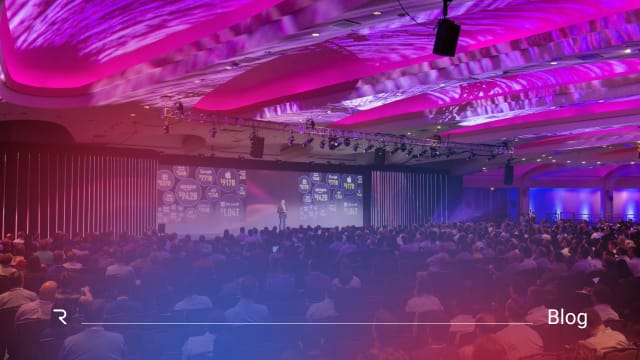
Well, that’s a wrap. Identiverse 2026 is in the books. I spent the week on the conference floor and I’ll say what I’ve said before: Identity is Cool. The people in this space are genuinely solving hard problems, and that energy doesn’t get old.
The word of the week was Agentic. Agentic AI, Agentic Identity, and I’m fairly certain I saw one booth that said Agentic Agents. Maybe I hallucinated that last one. But the theme of automated processes acting without human intervention was everywhere. On almost every booth, in fact.
What was interesting, though, was the gap between the messaging and the conversations happening on the floor. When I talked to practitioners about their agentic ambitions, I didn’t hear a lot of “I need that right now.” What I heard instead was something one attendee summed up cleanly: “I go into every conference trying to find a ‘now’ solution to any one of my four key problems. I almost always leave empty-handed.”
That stuck with me. The identity community is still carrying a heavy load of unsolved fundamentals: application coverage gaps, manual provisioning backlogs, disconnected systems that auditors find every single year. The market keeps reaching for new capability before it’s finished closing the old gaps.
That tension was palpable at Identiverse this year, and frankly, it’s the problem the team at READI gets asked about most. Most enterprises are still governing a fraction of their application estate. The technology to close that gap exists now. The demand signal is there. The challenge is getting that solution in front of the practitioners who are still stuck looking for it.
The innovation energy from new entrants was real. I love walking the floor and seeing what people are trying to do, how they’re attempting to change the game. One newer company was talking about replacing an established player without having written a line of code, riding the momentum of new AI models. Established codebases as a liability, not an asset: it’s a provocative idea and not entirely wrong. Whether those new approaches hold up in production enterprise environments is a different conversation, but the competitive pressure they create is healthy. Worth noting: a number of the newcomers from last year weren’t back this year. It’s not an easy road.
I’d be leaving something out if I didn’t mention it. Football jerseys on the conference floor, some booths with the games on their displays, genuine excitement cutting through the standard conference hum. Given everything going on in the world right now, watching people from different nations cheer for their teams with that kind of uncomplicated energy was a good reminder of what common ground looks like. For my part, I’ve got family from enough countries that I get to cheer for a few teams. But if pushed: Go Canada. They’re not winning it, but they’re raising the bar for the next generation. What more can you ask?

One session worth tracking down before the recordings disappear. Chris Powers from Sallie Mae closed out the conference with a presentation on Restoring Trust in Workforce Identity Data, a practical, practitioner-level breakdown of how to close gaps in IGA from someone who has genuinely been in the trenches. If you missed it, it’s worth a look. The problems he described aren’t hypothetical. They’re the ones identity teams are walking back into on Monday morning, and they’re exactly the kind of application coverage gaps READI helps Sallie Mae address today.
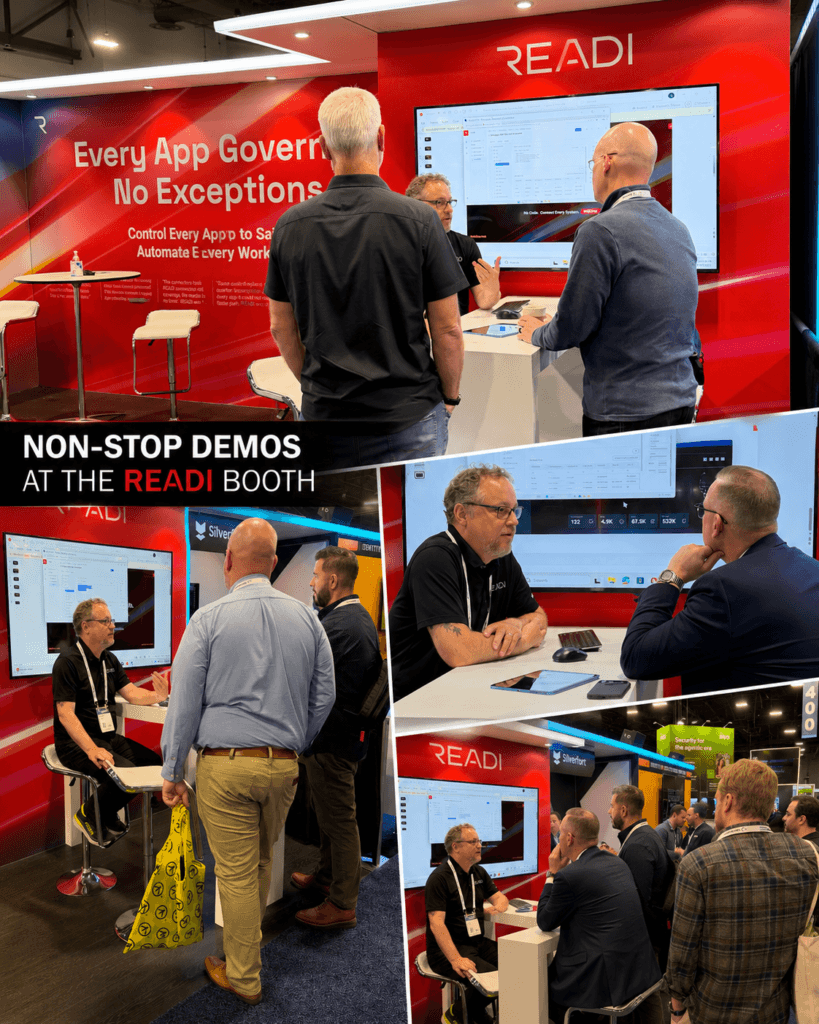
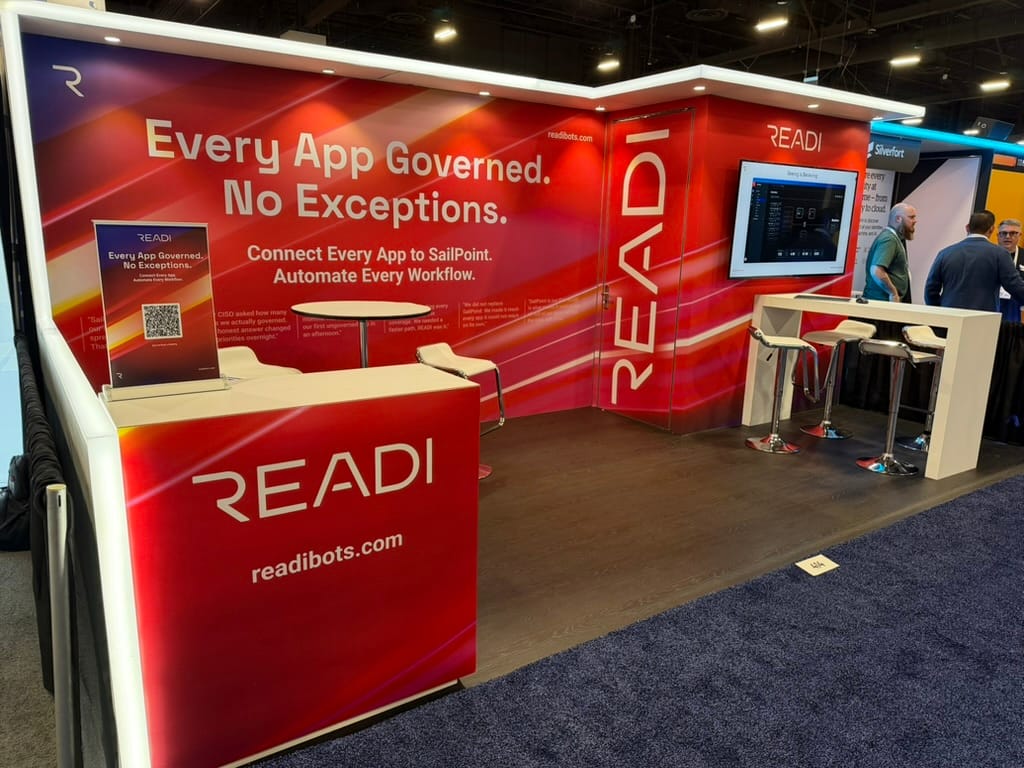
Thanks to everyone who stopped by the booth or took the time to chat. Looking forward to the next one.
Insights, best practices, and real-world stories from the front lines of identity transformation.

When someone leaves your organization, your IGA removes access for every connected application, but many...

Watch the power of the READI Platform automatically de-provisioning a Mainframe user using a READI...